
Views: 16 Author: Site Editor Publish Time: 2026-05-12 Origin: Site
Managing water efficiently requires the right equipment and the knowledge to operate it safely. A submersible pump is a powerful tool designed to move water from deep underground or clear flooded areas quickly. Because these devices operate while entirely submerged in liquid, they offer unique advantages over standard surface pumps, including quieter operation and a lower risk of pump cavitation.
However, operating equipment that mixes electricity and water demands a clear understanding of proper procedures. Improper setup can lead to reduced efficiency, mechanical failure, or serious safety hazards. Knowing the correct steps to install, run, and maintain your equipment ensures it functions smoothly for years to come.
This comprehensive guide explains exactly how to use a submersible pump. You will learn the pre-installation steps, operational best practices, and maintenance tips to keep your system running optimally. We will also explore how to identify top-tier equipment from a trusted China submersible pump supplier to guarantee you get the best performance for your investment.
Before you submerge any equipment, you must prepare the pump and the surrounding area. Skipping these initial checks can cause immediate damage to the motor.
First, inspect the physical condition of the pump. Check the casing for any cracks or dents that might compromise the waterproof seal. The power cord requires special attention; look for any frayed wires or exposed metal. If the cord is damaged, do not use the pump under any circumstances.
Next, review the manufacturer's manual to confirm the specific voltage requirements. Connecting the pump to an incompatible power source will destroy the internal components. Ensure that your power outlet includes a Ground Fault Circuit Interrupter (GFCI). This device instantly cuts power if it detects an electrical imbalance, protecting you from potential electric shock.
Finally, attach the discharge hose. Secure the connection tightly using a hose clamp to prevent leaks once the water starts flowing under pressure. Ensure the hose is long enough to direct the water away from the source without kinking.
Once you have completed the visual inspection and attached the necessary hoses, you can begin the water extraction process. Follow these steps carefully to ensure safe and efficient operation.
Never use the power cord to lift or lower the pump. Doing so places extreme stress on the electrical connections and compromises the waterproof seal. Instead, tie a strong, durable rope or a specialized lifting cable to the designated handle on the top of the unit.
Gently lower the pump into the water. If you are dropping it into a deep well or a muddy pit, avoid resting it directly on the bottom. Mud, gravel, and debris can easily clog the intake screen and damage the impeller. Suspend the pump a few inches above the floor, or place it on a flat, stable block to keep it clear of heavy sediment.
After positioning the pump securely, plug the power cord into your GFCI-protected outlet. Many modern units feature a float switch. This component automatically activates the motor when the water reaches a specific level and shuts it off when the water drops.
If your model requires manual operation, turn the power on and closely monitor the water output. You should see a steady stream of water exiting the discharge hose within a few seconds. If the water flow stutters or fails to start, turn off the power immediately and check the hose for blockages.
Continuous monitoring is vital, especially for manual pumps without an automatic float switch. A submersible pump relies on the surrounding water to cool its motor. If the water level drops too low and the pump runs dry, the motor will rapidly overheat and burn out.
Always turn the power off before the water completely disappears. If you are draining a flooded basement or a pool, leave a tiny fraction of water at the bottom rather than risking a dry run.
Regular maintenance extends the lifespan of your equipment and prevents sudden breakdowns. After every use, disconnect the power and remove the pump from the water using the attached rope.
Rinse the exterior casing with clean, fresh water to remove any dirt, algae, or corrosive chemicals. Check the intake screen for trapped debris like leaves or pebbles. A clogged intake forces the motor to work significantly harder, which reduces efficiency and shortens the equipment's operational life.
Store the unit in a dry, frost-free environment. Freezing temperatures can cause any residual water inside the casing to expand, potentially cracking the internal housing.
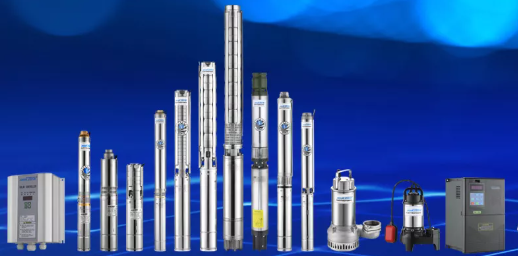
The longevity of your pumping system depends heavily on the quality of its construction. When shopping for new equipment, selecting reliable submersible pump manufacturers is critical. High-quality manufacturers use durable materials like stainless steel and incorporate advanced safety features to protect the motor.
The global market offers numerous options, but sourcing a China submersible pump provides an excellent balance of cost-efficiency and advanced engineering. For instance, Guangdong Ruirong Pump Industry Co., Ltd. has over 30 years of manufacturing experience. They offer a wide range of water solutions, including highly efficient electric and solar-powered systems. You can explore their extensive catalog of reliable pumping solutions at www.solarpumpsupplier.com.
To help you understand the different types of equipment available, review this quick reference table outlining common pump categories and their primary uses.
Pump Type | Typical Application | Key Benefit |
|---|---|---|
Deep Well Pump | Extracting drinking water from underground aquifers | High pressure output for vertical lifting |
Sewage Pump | Moving wastewater and solid waste | Handles heavy solids without clogging |
Solar Water Pump | Agricultural irrigation in remote areas | Eco-friendly and operates without grid power |
Multistage Pump | Industrial water supply and high-rise buildings | Exceptional pressure consistency |
Most high-quality models can run continuously, provided they remain fully submerged. The surrounding water cools the motor, preventing overheating. However, always check the manufacturer's specific guidelines regarding duty cycles.
Running dry causes the internal motor to overheat rapidly. Without water acting as a coolant, the mechanical seals will melt, and the motor will burn out, often requiring a complete replacement of the unit.
The required size depends on the volume of water you need to move and the vertical distance it must travel (the "head"). Review the pump's flow rate (gallons per minute) and maximum head specifications to ensure it meets your specific requirements.
Learning how to use a submersible pump correctly saves you time, prevents costly repairs, and ensures maximum safety during operation. By conducting thorough pre-installation checks, utilizing the proper lowering techniques, and preventing dry runs, you can maintain a highly efficient water management system.
Remember that operational success starts with buying the right equipment. Partnering with experienced submersible pump manufacturers ensures you have a durable, well-engineered tool for the job. Take the time to evaluate your water extraction needs, perform regular maintenance, and always prioritize electrical safety to get the absolute best performance from your pump.


