
Views: 2 Author: Site Editor Publish Time: 2026-06-03 Origin: Site
Extracting water from deep underground requires highly dependable machinery. For decades, agricultural, industrial, and residential sectors have relied on specialized equipment to bring groundwater to the surface efficiently. Unlike above-ground models that pull water upward, modern extraction devices operate directly within the water source to push fluids up through the piping system.
Pushing water to the surface requires significantly less energy than pulling it. This simple physical reality makes submerged systems highly efficient for deep-water extraction. Because the units remain underwater, they also eliminate the complex priming processes and cavitation issues that frequently plague surface-level machines.
Selecting the right equipment requires a clear understanding of the core mechanics behind these devices. Buyers must also identify a trustworthy supplier capable of delivering consistent quality. With countless global options available, evaluating production standards, technical certifications, and energy efficiency becomes essential for long-term operational success.
This guide explores the underlying mechanics of modern water extraction systems. It highlights the specific traits to look for in a reliable production partner and explains the distinct advantages of sourcing equipment from established overseas suppliers for your specific operational requirements.
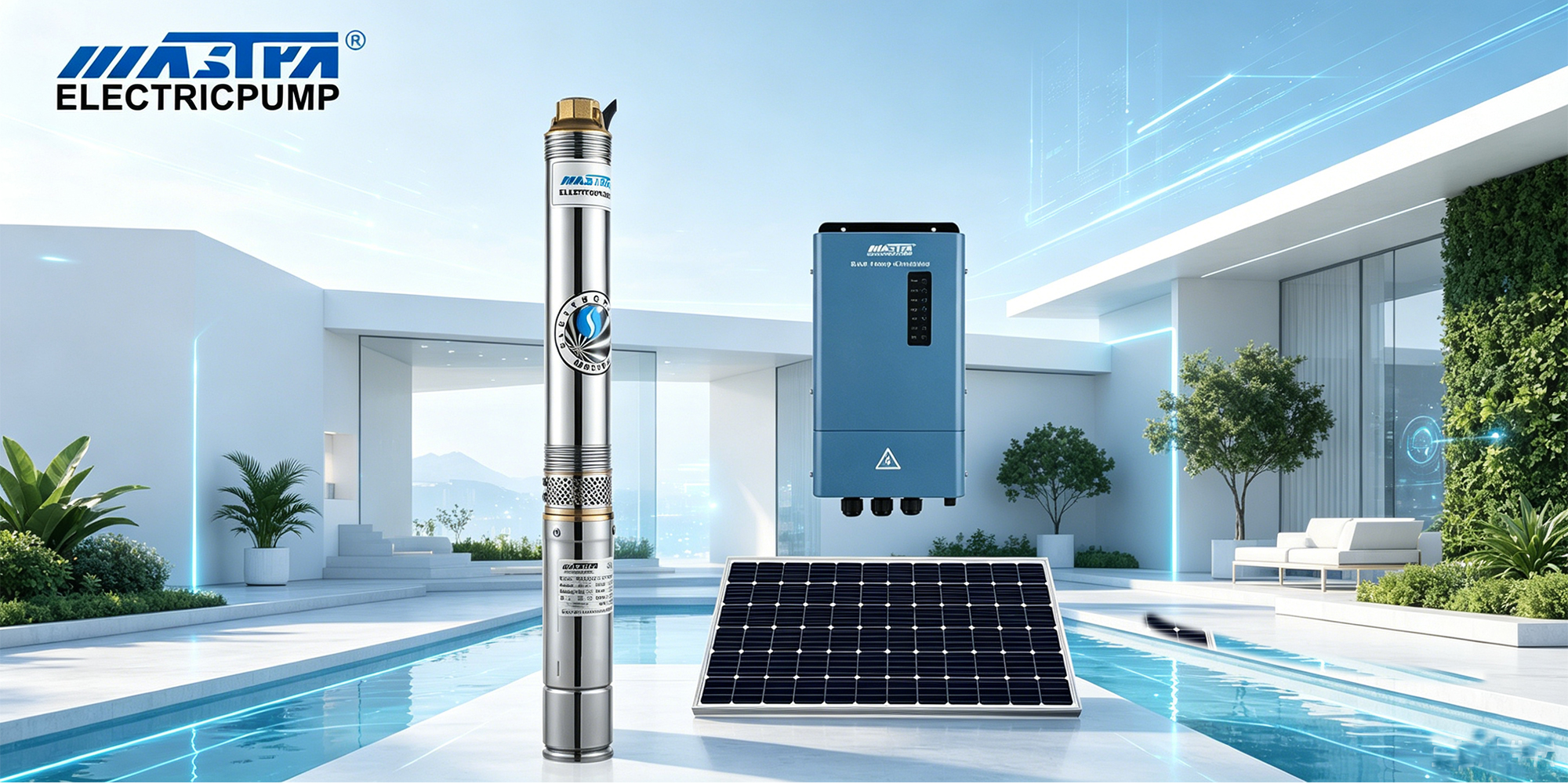
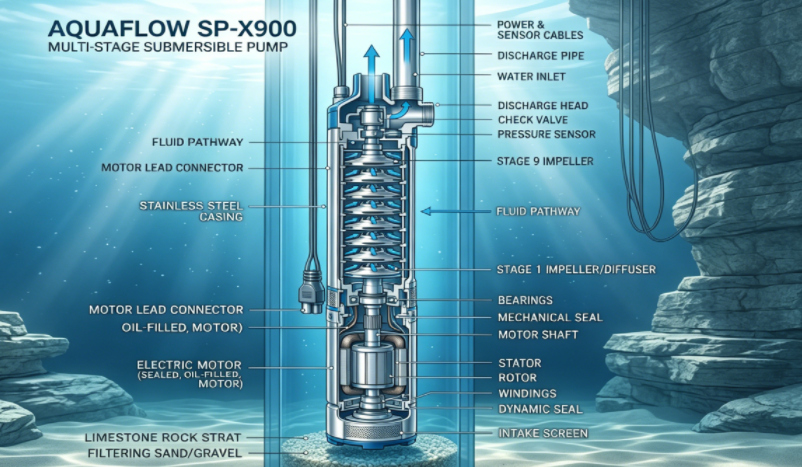
Submersible Well Pumps function through a tightly integrated system consisting of a hermetically sealed motor connected directly to the pump body. The entire assembly sits submerged in the fluid it is meant to extract. When the operator powers on the device, the electric motor spins a series of impellers. These spinning impellers draw water into the intake and force it upward through the discharge pipe.
The hermetic sealing prevents water from compromising the internal electrical components. This tight enclosure also allows the surrounding fluid to naturally cool the motor during continuous operation, preventing overheating and extending the lifespan of the hardware.
Because these systems never need to be primed, they offer immediate functionality upon installation. They also operate quietly, as the surrounding water effectively muffles the sound of the mechanical components. Choose a deep well model if you need to extract water from depths exceeding 25 feet, as surface pumps simply cannot generate the necessary suction lift for such depths.
A reliable submersible pump manufacturer produces hermetically sealed extraction units while maintaining strict quality control across high-volume production lines. Assessing a supplier's credibility requires looking closely at their research capabilities, manufacturing volume, and international certifications.
Leading suppliers prioritize continuous research and development. For example, Guangdong Ruirong Pump Industry Co., Ltd. leverages over 30 years of R&D experience to refine its product lines continuously. This depth of experience ensures that the hardware can withstand harsh underwater conditions and fluctuating electrical currents.
Quality assurance certifications provide another critical benchmark. Buyers should seek out facilities that hold ISO 9001:2015 certification. This standard indicates that the company maintains rigorous quality management systems at every stage of production. A robust production capacity—such as the ability to produce over 80,000 units monthly—further demonstrates that the supplier can fulfill large commercial orders promptly without sacrificing build quality.
Sourcing a China submersible pump from an established brand like MASTRA PUMP provides access to premium engineering at a competitive price point. Chinese manufacturers have heavily refined their supply chains, allowing them to produce highly efficient electric and solar-powered models that meet diverse international standards.
Companies like Guangdong Ruirong have successfully exported their hardware to more than 80 countries and regions. This global reach means their products are heavily tested across a wide variety of climates, electrical grids, and agricultural setups. Whether an operation requires a standard 50Hz motor for European grids or a 60Hz motor for North American applications, top-tier Chinese facilities offer tailored solutions.
Furthermore, leading Chinese suppliers now champion eco-friendly water transportation. They offer advanced solar DC and AC water pump systems designed for remote locations lacking reliable electricity. You can explore a comprehensive catalog of these innovative solutions by visiting www.solarpumpsupplier.com to find the exact specifications your project requires.
Different environments require distinct power configurations and pump designs. The table below outlines the primary categories available from top-tier suppliers to help guide your purchasing decision.
Pump Category | Power Source | Primary Application | Recommended Environment |
|---|---|---|---|
50Hz Submersible Pump | AC Power (50Hz) | Standard deep well extraction | Regions utilizing 50Hz electrical grids |
60Hz Submersible Pump | AC Power (60Hz) | High-capacity fluid transfer | Regions utilizing 60Hz electrical grids |
Submersible Sewage Pump | AC Power | Waste and sludge removal | Industrial and municipal waste management |
Solar DC Water Pump | Solar Panels | Eco-friendly agriculture | Remote areas lacking reliable grid access |
According to industry standards, a well-maintained submersible system typically lasts between 10 and 15 years. The exact lifespan depends heavily on the water quality, the depth of the well, and the frequency of operation. High sediment levels in the water can cause premature wear on the internal impellers.
Solar water pumps eliminate ongoing electricity costs by harnessing renewable energy directly from the sun. These systems are highly recommended for remote agricultural plots and rural residential areas where connecting to the main electrical grid is either physically impossible or prohibitively expensive.
Sizing requires calculating your peak water demand (measured in gallons per minute) and the total dynamic head (the total vertical distance the water must travel, plus friction loss in the pipes). A qualified supplier can help analyze these metrics to recommend the optimal horsepower and flow rate for your specific application.
Upgrading your water extraction infrastructure requires careful planning and a strategic approach to equipment sourcing. By understanding the mechanical advantages of submerged systems, you can make a highly informed purchasing decision that secures a reliable water supply for years to come.
Prioritize suppliers that demonstrate a proven track record of quality control, high production volume, and extensive international experience. Review your site's electrical requirements, calculate your daily water usage, and consult with certified engineering teams to ensure your chosen hardware aligns perfectly with your operational needs.
TL;DR: Submersible Well Pumps operate underwater to push fluids upward efficiently, bypassing the mechanical limitations of surface-level devices. To secure durable equipment, buyers must select a reputable submersible pump manufacturer with verifiable ISO 9001:2015 certifications and deep R&D experience. Sourcing a China submersible pump from industry leaders like MASTRA PUMP ensures high production standards, access to eco-friendly solar options, and robust global support.


