
Views: 7 Author: Site Editor Publish Time: 2026-05-21 Origin: Site
Water management and energy consumption are two of the most significant expenses for agricultural, commercial, and residential properties. Relying on traditional electrical grids or diesel generators to move water often leads to high utility bills and frustrating maintenance schedules. Homeowners and farmers alike are actively seeking alternative methods to keep their water flowing without draining their budgets.
A solar powered water pump offers a practical, cost-effective solution to these common challenges. By utilizing renewable energy from the sun, these systems drastically reduce operational costs while providing a consistent water supply to remote or off-grid locations. You gain independence from the fluctuating prices of fossil fuels and grid electricity, all while lowering your carbon footprint.
In this comprehensive guide, we will explore exactly how a solar water pump works and the distinct advantages it brings to your property. We will also examine how to select the right equipment for your specific needs, and why sourcing a high-quality China solar water pump might be the best investment for your long-term water management strategy.
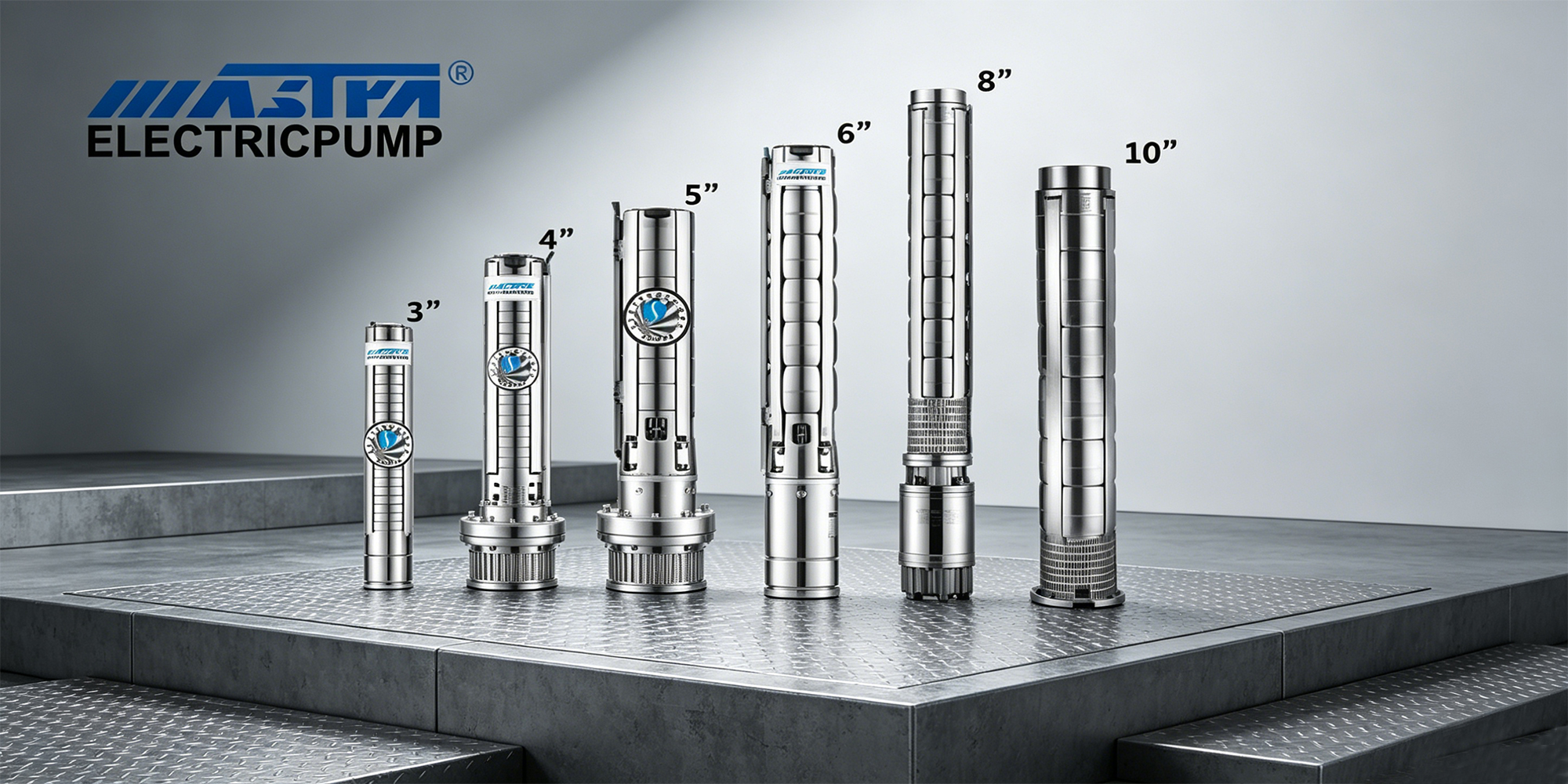
At its core, a solar water pump operates on a very straightforward principle. It uses photovoltaic (PV) panels to capture sunlight and convert it into direct current (DC) electricity. This electricity is then fed into a motor that drives the pump, moving water from its source—such as a deep well, river, or reservoir—to its intended destination.
These systems typically consist of three main components: the solar panels, the controller, and the pump itself. The solar panels act as the power source. The controller is the brain of the operation, regulating the power sent from the panels to the pump to prevent damage from voltage fluctuations. Finally, the pump physically moves the water.
Depending on your specific requirements, you can choose between a submersible pump, which operates underwater to push water upwards, or a surface pump, which sits above ground and pulls water through pipes. Both types have been refined over decades of engineering to maximize water output even during periods of low sunlight.
Making the switch to solar energy for your pumping needs delivers several immediate and long-term benefits.
First and foremost is the dramatic reduction in energy costs. Once you purchase and install the equipment, the energy required to run it is completely free. This is especially advantageous for large-scale agricultural operations that require massive amounts of water daily.
Secondly, solar pumps are incredibly reliable in remote areas. If you own land far from the main electrical grid, paying to have utility lines extended to your property is often prohibitively expensive. A solar system allows you to generate your own power right where you need it. Furthermore, these systems require far less maintenance than diesel-powered alternatives. There are fewer moving parts, no spark plugs to change, and no fuel filters to replace.
To clearly illustrate the differences between traditional pumping methods and solar technology, review the comparison table below.
Feature | Traditional Diesel Pump | Grid-Tied Electric Pump | Solar Powered Water Pump |
|---|---|---|---|
Power Source | Diesel fuel | Utility grid | Sunlight |
Operating Cost | Very high (ongoing fuel) | Moderate to high (monthly bills) | Minimal (free sunlight) |
Maintenance | High (frequent servicing) | Low | Very low |
Environmental Impact | High emissions and noise | Dependent on grid source | Zero emissions, quiet operation |
Location Flexibility | High (can go anywhere) | Low (needs grid access) | High (ideal for off-grid) |
Securing a reliable, cost-effective water supply is no longer a complex or overly expensive endeavor. By transitioning to a solar powered water pump, you take immediate control of your energy costs and ensure your land receives the hydration it needs to thrive. The initial investment pays for itself rapidly through eliminated fuel costs and drastically reduced maintenance requirements.
Take the time to assess your specific water volume needs and the depth of your water source. With that information in hand, reach out to an experienced manufacturer who can guide you toward the right system components. Embracing solar technology today will set your property up for decades of sustainable, worry-free water management.
When you decide to adopt the solar-powered water pumping technology, selecting the right manufacturer is crucial. The global market is filled with options, but many industry leaders and savvy consumers look to overseas manufacturers for the best combination of quality and value. Specifically, choosing a China solar water pump often means you benefit from decades of refined manufacturing processes and cutting-edge research.
One standout in this field is Guangdong Ruirong Pump Industry Co., Ltd., widely known for their MASTRA PUMP brand. With over 30 years of research, development, and manufacturing experience, they have established themselves as a premier provider of water solutions. They offer a vast array of products, including submersible pumps, deep well pumps, and highly efficient solar DC and AC water pump systems.
Operating an ISO 9001:2015 certified company, Guangdong Ruirong ensures that every unit meets strict quality assurance standards. Their massive production capacity—over 80,000 units monthly—allows them to supply more than 80 cooperative countries and regions reliably.
Whether you need a full stainless steel deep well pump or a specialized solar controller, they provide equipment designed to withstand harsh environmental conditions while maintaining optimal performance. To explore their extensive catalog and find the perfect fit for your water system, you can visit their official website at www.solarpumpsupplier.com.
Yes, modern solar panels are designed to capture ambient light, meaning your pump will still operate on cloudy days, though at a reduced flow rate. Many users also install a water storage tank to catch excess water pumped during peak sunlight hours, ensuring a steady supply regardless of the weather.
Solar panels are incredibly durable and often come with lifespans exceeding 20 to 25 years. The pumps and controllers themselves generally last between 5 and 15 years, depending on the water quality, usage rates, and adherence to basic maintenance schedules.
Maintenance is surprisingly simple. You only need to wipe down the solar panels a few times a year to remove dust and debris. The pumps require periodic checks to ensure the intake screens are clear of mud and sediment, but they completely bypass the messy oil changes and fuel filter replacements associated with diesel pumps.


