
Views: 2 Author: Site Editor Publish Time: 2026-09-14 Origin: Site
Water scarcity, rising energy costs, and the demand for consistent supply have pushed households, farms, and factories to rethink how they move water. An electric water pump sits at the center of that shift, offering a dependable way to draw, transport, and pressurize water across residential, agricultural, and industrial settings. Getting the selection right, however, isn't as simple as picking the first unit on a shelf.
Buyers need to understand what drives performance, what separates a durable pump from a short-lived one, and where global manufacturing fits into the equation. This guide breaks down the mechanics, the sourcing landscape, and the practical decision points that matter most before you commit to a purchase.
At its core, this equipment converts electrical energy into mechanical energy to move water through a system. A motor spins an impeller, which creates the pressure difference needed to pull water in and push it out through a discharge pipe. The simplicity of this design is exactly why it has remained the standard solution for decades.
Three parts determine how well the unit performs over time:
Impeller design – Determines flow rate and how efficiently energy transfers into movement.
Seal quality – Prevents leaks and protects internal components from corrosion.
Motor winding – Affects how much heat the unit generates and how long it lasts under continuous use.
When any water pump motor is undersized or poorly wound, the unit tends to overheat, drawing more current than necessary and shortening its service life. This is one reason experienced buyers scrutinize motor specifications before comparing prices.
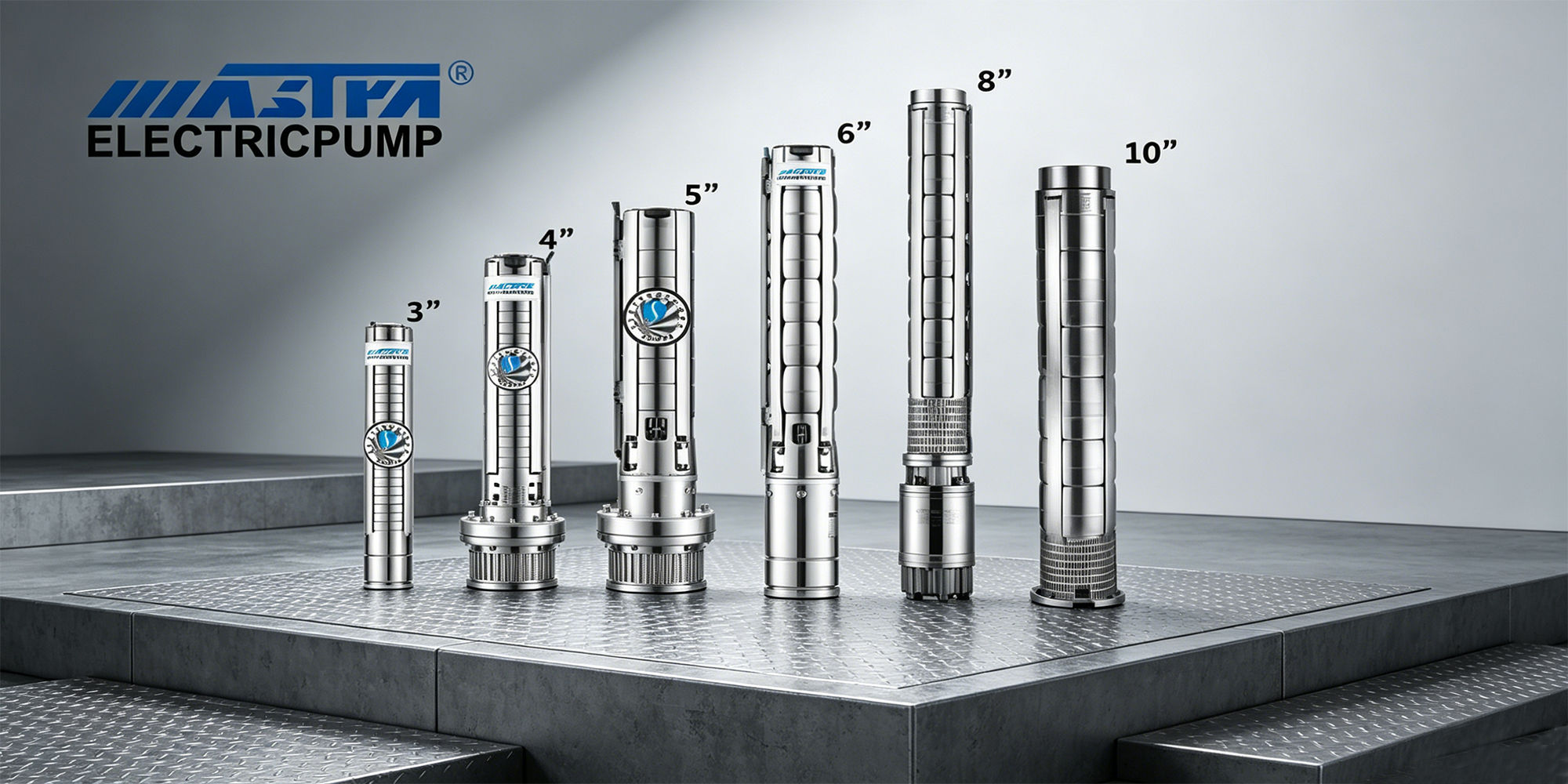
Manufacturing scale has made a measurable difference in this industry. Guangdong Ruirong Pump Industry Co., Ltd., which operates under the MASTRA brand, has spent more than 33 years refining its production lines and now serves customers across more than 80 countries and regions. That kind of longevity typically reflects consistent quality control and the ability to adapt product lines as demand shifts.
ISO 9001:2015 certification, which MASTRA holds, signals that a manufacturer has documented, repeatable quality processes rather than relying on inconsistent batch production. For buyers sourcing internationally, certification status is one of the simplest ways to filter out unreliable suppliers before requesting samples or quotes.
Facilities located near major seaports, as is the case with MASTRA's Jiangmen City base in Guangdong Province, also shorten shipping timelines and reduce logistics complexity for overseas buyers. Choose a supplier near a coastal manufacturing hub if fast turnaround and simplified freight matter more than sourcing from a smaller, regional workshop.
Reliability comes down to how well the motor handles heat, moisture, and continuous load. Submersible motors, for example, must seal out water completely while still dissipating heat efficiently, since they operate fully submerged.
Factor | Why It Matters | What to Check Before Buying |
|---|---|---|
Insulation class | Determines heat tolerance | Ask for the motor's rated temperature class |
Protection rating | Affects resistance to dust and water ingress | Confirm IP rating matches the application |
Material (stainless steel vs. cast iron) | Impacts corrosion resistance and lifespan | Stainless steel suits saline or acidic water |
Frequency compatibility (50Hz/60Hz) | Ensures correct speed and output | Match to your region's power grid standard |
Buyers replacing agricultural or borehole equipment should prioritize corrosion resistance and protection rating above raw power output, since a motor that fails from water ingress within a year costs more over time than one with slightly lower flow rates but a longer service life.
Not every setup needs the same configuration. A rooftop garden fountain has vastly different requirements than a deep borehole supplying an entire farm.
Application | Recommended Type | Key Consideration |
|---|---|---|
Deep well or borehole | Submersible pump | Depth rating and cable length |
Garden fountain or pond | Solar or low-voltage pump | Noise level and energy source |
Sewage or wastewater | Submersible sewage pump | Solids-handling capacity |
Multi-story building supply | Multistage pump | Pressure boosting capability |
Select a submersible unit if the water source sits below ground level, since surface pumps struggle to lift water efficiently beyond a certain depth. For applications where grid power is unreliable or unavailable, solar-powered systems paired with an appropriate controller offer a practical alternative that avoids ongoing fuel or electricity costs.
Choosing the right equipment isn't about finding the cheapest option available. It's about matching motor specifications, material durability, and manufacturer credibility to the specific demands of your water source and application. A slightly higher upfront cost on a well-built, certified unit almost always pays off through fewer breakdowns and longer service intervals.
Before finalizing any purchase, request technical documentation, confirm certification status, and clarify shipping timelines with your supplier. These three steps alone eliminate most of the risk associated with sourcing pump equipment, whether locally or from an overseas manufacturer.
How long does a submersible pump motor typically last?
With proper installation and regular maintenance, a well-built submersible motor can last 10 to 15 years, though lifespan depends heavily on water quality, usage frequency, and material durability.
Is a solar-powered system a good alternative to a grid-connected unit?
Yes, particularly in areas with unreliable electricity or high grid costs. Solar systems require a compatible controller and sufficient panel capacity but eliminate ongoing electricity expenses once installed.
What certifications should I look for when sourcing from an overseas manufacturer?
ISO 9001:2015 is a strong baseline indicator of consistent quality management. Buyers should also request product-specific test reports and confirm the manufacturer's export history.
Can the same pump work for both 50Hz and 60Hz power grids?
No. Motors are designed for a specific frequency, and using the wrong one affects flow rate and can damage the unit. Always confirm frequency compatibility with your local power standard before ordering.
What's the difference between a submersible pump and a surface pump?
A submersible pump operates fully underwater and pushes water upward, making it suitable for wells and boreholes. A surface pump sits above the water source and pulls water in, which limits how deep it can effectively draw from.
In short, dependable water movement starts with matching the right motor and pump type to your specific application, verifying manufacturer credentials like ISO certification, and prioritizing build quality over the lowest sticker price. Whether sourcing a submersible unit for a deep well or a solar-powered system for an off-grid property, the fundamentals of proper sizing, certified materials, and supplier reliability remain the deciding factors in how well the system performs for years to come.


