
Views: 7 Author: Site Editor Publish Time: 2026-10-09 Origin: Site
Groundwater systems rely on precise engineering to pull water from underground sources efficiently. Property owners managing wells of varying depths face an important decision: selecting equipment that matches both the physical characteristics of their well and their daily water demands. Pump technology has evolved considerably, offering solutions tailored to agricultural operations, residential properties, and commercial sites with specific flow requirements.
Choosing poorly can lead to inconsistent water pressure, premature equipment failure, or systems that simply cannot keep pace with household or irrigation needs. This guide breaks down the core components of groundwater pumping systems, compares common configurations, and outlines practical criteria for selecting the right setup.
Wells vary dramatically in depth, water table position, and intended use. A shallow residential well serving a single household has very different mechanical requirements than a deep agricultural well supplying irrigation across several acres. Water needs to travel further, overcome greater pressure, and often pass through variable soil and rock conditions depending on the site.
Because of this variability, manufacturers produce several distinct categories of pumping equipment, each suited to specific depth ranges and flow rates. Understanding these categories helps property owners and contractors avoid mismatched systems that waste energy or underperform.
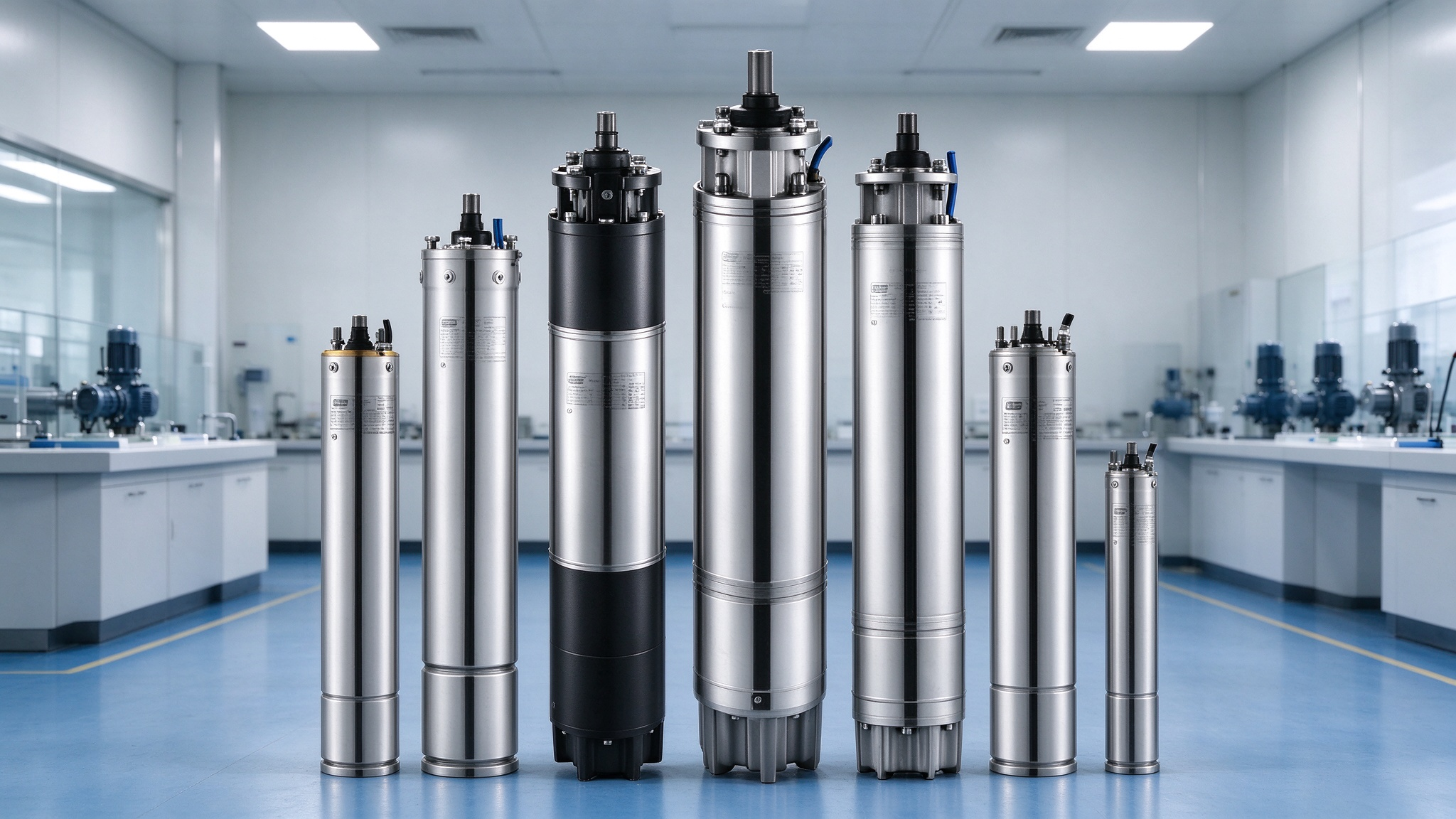
Wells extending well below the surface, sometimes hundreds of feet, require equipment engineered to overcome substantial hydrostatic pressure. A deep well pump is designed with this challenge in mind, using a narrow, elongated housing that fits inside borehole casings while generating enough lift to bring water to the surface efficiently. These systems typically rely on multiple impeller stages stacked in sequence, each stage adding incremental pressure to push water further upward.
Agricultural operations and rural properties with low water tables commonly depend on this category of equipment because standard surface pumps cannot generate sufficient suction lift beyond roughly 25 feet. For installations reaching several hundred feet, staged impeller designs become essential to maintaining consistent output.
Not every property requires high-capacity equipment. Smaller households, cabins, or secondary water sources often call for more modest solutions that balance performance with simplicity and cost efficiency. A small submersible pump fits this niche well, offering sufficient flow for everyday tasks like washing, cooking, and light irrigation without the complexity or power draw of larger systems.
These compact units are typically easier to install and service, making them popular choices for seasonal properties or backup water systems. Their reduced size also allows for use in narrower casings where larger equipment simply will not fit.
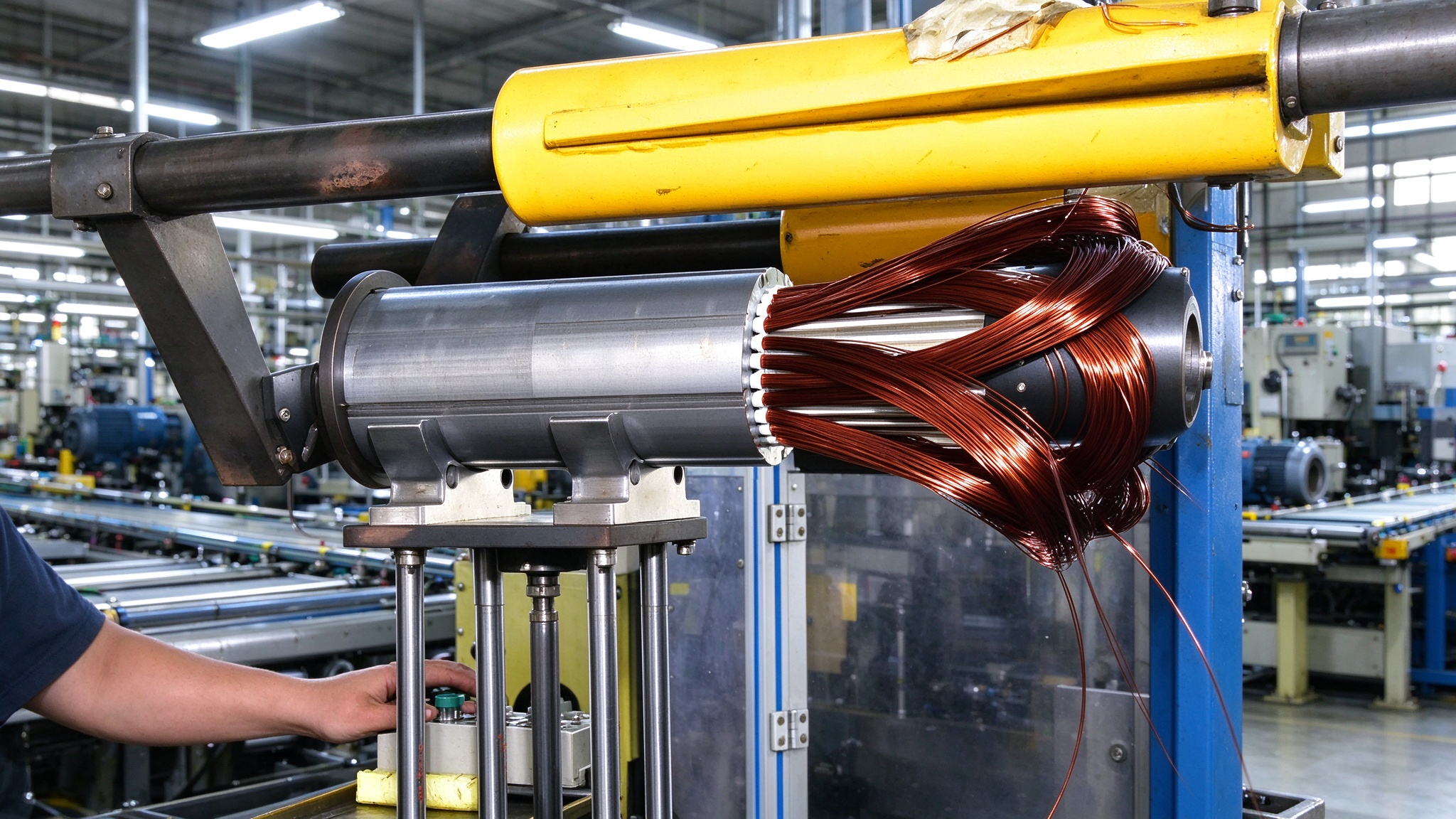
Every submerged pumping unit depends on a sealed, waterproof power source to function below the surface. A submersible motor supplies the rotational force needed to drive the impellers, and its design must account for continuous exposure to water, sediment, and temperature fluctuations. These motors are hermetically sealed to prevent water infiltration, with cooling achieved through the surrounding groundwater itself rather than air circulation.
Motor sizing is directly tied to well depth and desired flow rate. Oversized motors waste energy and generate unnecessary heat, while undersized units struggle to maintain adequate pressure, leading to shortened equipment lifespan.
Feature | Deep Well Equipment | Compact Submersible Units | Motor Considerations |
|---|---|---|---|
Typical depth range | 100–800+ feet | Up to 150 feet | Matched to pump stage count |
Flow rate | Moderate to high | Low to moderate | Determines power draw |
Common use case | Agricultural irrigation, rural wells | Residential, seasonal properties | Applies across both categories |
Installation complexity | Higher | Lower | Sealed design simplifies servicing |
Maintenance frequency | Periodic, depth-dependent | Minimal | Dependent on sediment exposure |
This comparison illustrates how depth and flow requirements shape equipment choice far more than brand or price point alone.
Property owners should begin by confirming their well's static water level and total depth, both of which directly influence the pressure a pump must overcome. According to industry guidance from well drilling associations, static water level should be measured seasonally, since it can shift significantly between wet and dry periods.
Daily water consumption also matters. A household with four occupants typically uses between 300 and 400 gallons per day, according to the U.S. Geological Survey. Choose equipment rated for peak demand rather than average use, since simultaneous water draws, such as laundry and showering, can strain undersized systems.
For wells deeper than 100 feet, staged, high-pressure configurations are generally necessary to maintain adequate flow at the surface. Shallower wells with moderate demand are often well served by more compact, lower-capacity units.
Routine maintenance significantly affects how long pumping equipment remains reliable. Sediment buildup, mineral scaling, and electrical wear are the most common causes of premature failure. Periodic water testing can reveal mineral content that may accelerate internal wear, allowing property owners to address the issue before it damages components.
Electrical connections should be inspected annually, particularly in regions with fluctuating voltage, since inconsistent power supply places additional strain on sealed motor units. Flow rate monitoring over time can also signal early warning signs of declining performance, giving owners a chance to schedule service before a complete failure occurs.
How much does well pump installation typically cost?
Costs vary based on depth, equipment type, and labor rates, generally ranging from a few hundred dollars for compact systems to several thousand for high-capacity, deep-set configurations.
How long do submersible pumping systems typically last?
With proper maintenance, submersible systems commonly operate reliably for 10 to 15 years, though lifespan depends heavily on water quality and usage patterns.
What are the risks of choosing undersized equipment?
Undersized systems struggle to meet peak demand, run continuously under strain, and often fail prematurely due to motor overheating and excessive wear.
Are there alternatives to submersible configurations?
Jet pumps and surface-mounted units serve shallow wells effectively but cannot generate the lift required for deeper installations, making them unsuitable for most agricultural applications.
Who should consider compact, lower-capacity systems?
Owners of seasonal properties, small households, or secondary water sources with modest daily usage are typically well served by smaller, simpler configurations.
Selecting groundwater pumping equipment comes down to matching technical specifications, well depth, flow demand, and long-term maintenance considerations to the specific conditions of a property. Staged, high-pressure units serve deep agricultural and rural wells, compact units handle lighter residential needs, and sealed motor technology powers both reliably when properly sized. In short, the right configuration depends less on brand preference and more on an honest assessment of depth, daily water use, and seasonal variability. Property owners evaluating options can explore detailed specifications and sourcing support at www.solarpumpsupplier.com to find equipment suited to their specific groundwater conditions.


